PORTUGAL - Tavira .................... December 2005
The ancient town ofTavira, a flourishing sea port in earlier times, lies in the eastern Algarve towards the Spanish border. At one time ( 18th century ) it was the centre for albacore tuna fishing, using gigantic trapping net methods handed down over generations, to catch the fish as they passed by offshore to their spawning grounds.
That industry has now disappeared but the salt industry still survives, the salt produced from numerous saltpans which also provide a staging post, and a home, for many birds which inhabit the Ria Formosa Natural Park. This park forms part of the 36 mile long area of salt marshes and dunes and sandbanks, which lies offshore in this part of the Algrave.
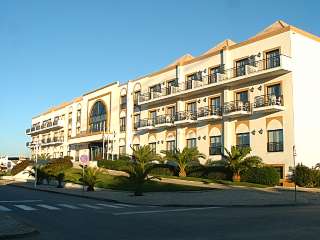
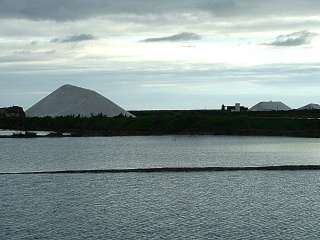
The Hotel Vila Galé Tavira ............. ...... Hills of sea salt on the salterns.......
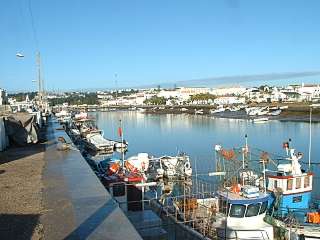
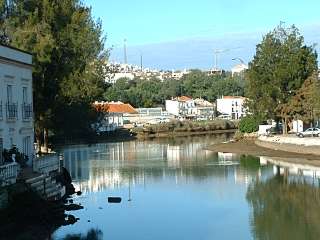
The Rio Gilão which cuts through Tavira, with various bridges dating from Roman times to the present day ( some rebuilt / constructed after earthquake damage in the 1970s ).
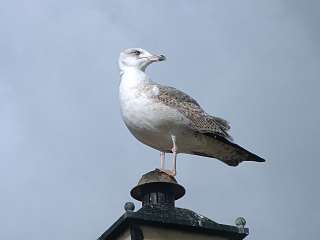
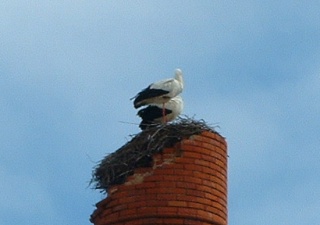
Birds of all kinds abound ... storks nest high in buildings or old factory chimney stacks
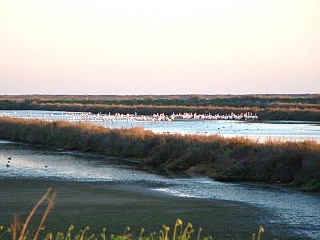
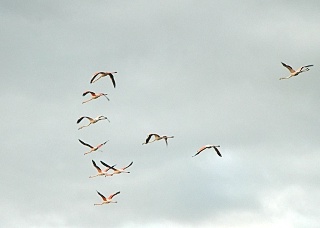
Flamingoes are also a common sight, little eagrets, heron, and many other wading birds
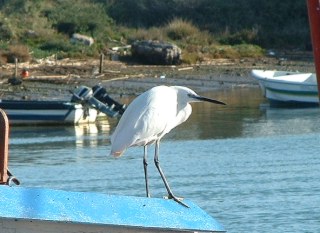
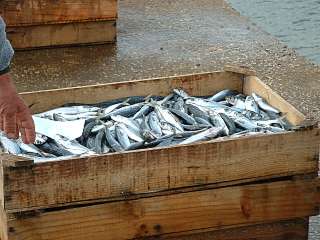
Some stand, wait and watch ................. Local sardines are always a treat ....
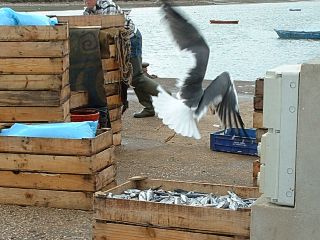
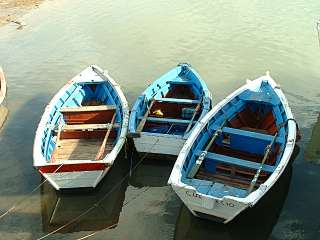
Others make the most of opportunities ...... at Santa Luzia, 3 km. west of Tavira.
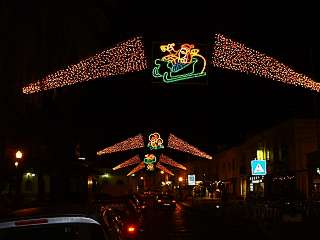
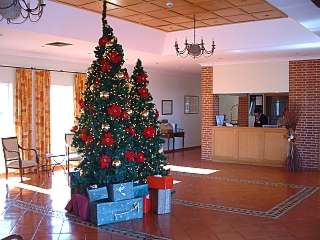
Tavira Christmas decorations ..... plus softly piped English carols !!
Out and about .....
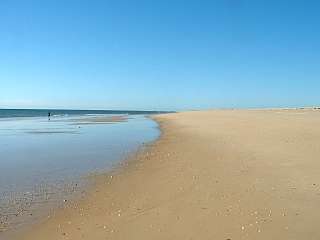
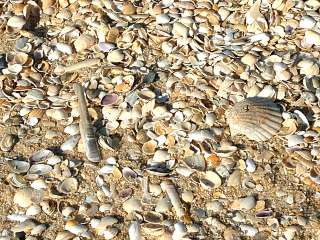
Plenty of beach and shells on Tavira Island, which is reached by ferry from the Vila Galé Albacora Hotel or by the public ferry. The Rio Gilão from Tavira enters the sea after crossing the lagoon and channel of the Ria Formosa.
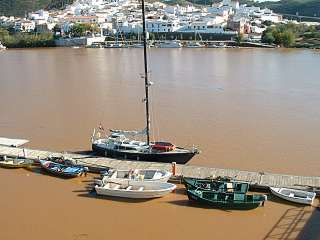
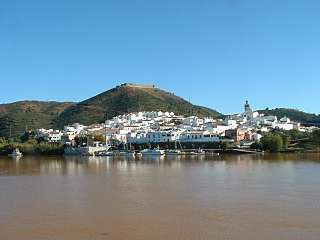
Alcoutim, one of the oldest towns in Portugal, is on the ( navigable ) Rio Guadiana which forms the boundary between Portugal and Spain in this area. It looks across at San Lucar del Guadiana in Spain. The river has been a natural boundary since Roman times.
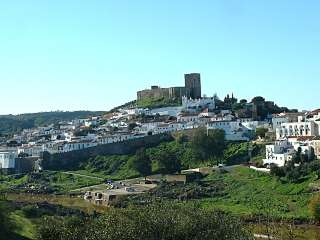
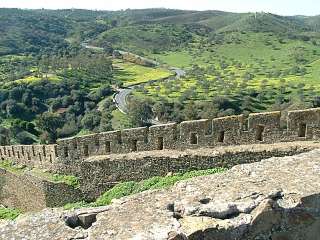
Mértola is another medieval fortified town, located in the Alentego region, north of the Algarve. It shows evidence of Roman and Islamic past occupation. Indeed the present Christian church, at the foot of the castle, has many Moorish features .. since it is adapted from a mosque. ( Above right, and below ) The castle provides a superb viewpoint.
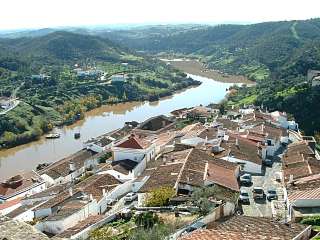
Faro ...
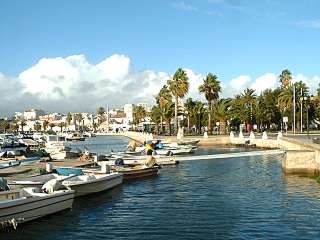
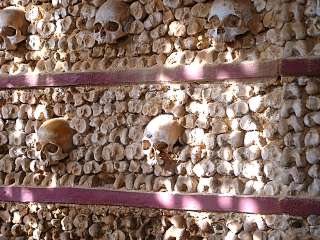
Faro waterfront and the " Bone chapel " in the grounds of the Carmelite Church.
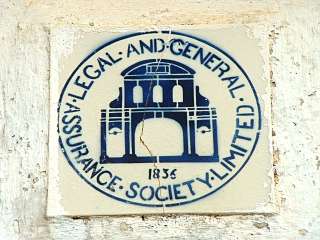
Tile inset in house wall. There has been much history between Portugal and Britain over the years... Portugal was also a great seafaring nation ... with many territories abroad. It was often with British help that they maintained their independence of France and Spain.